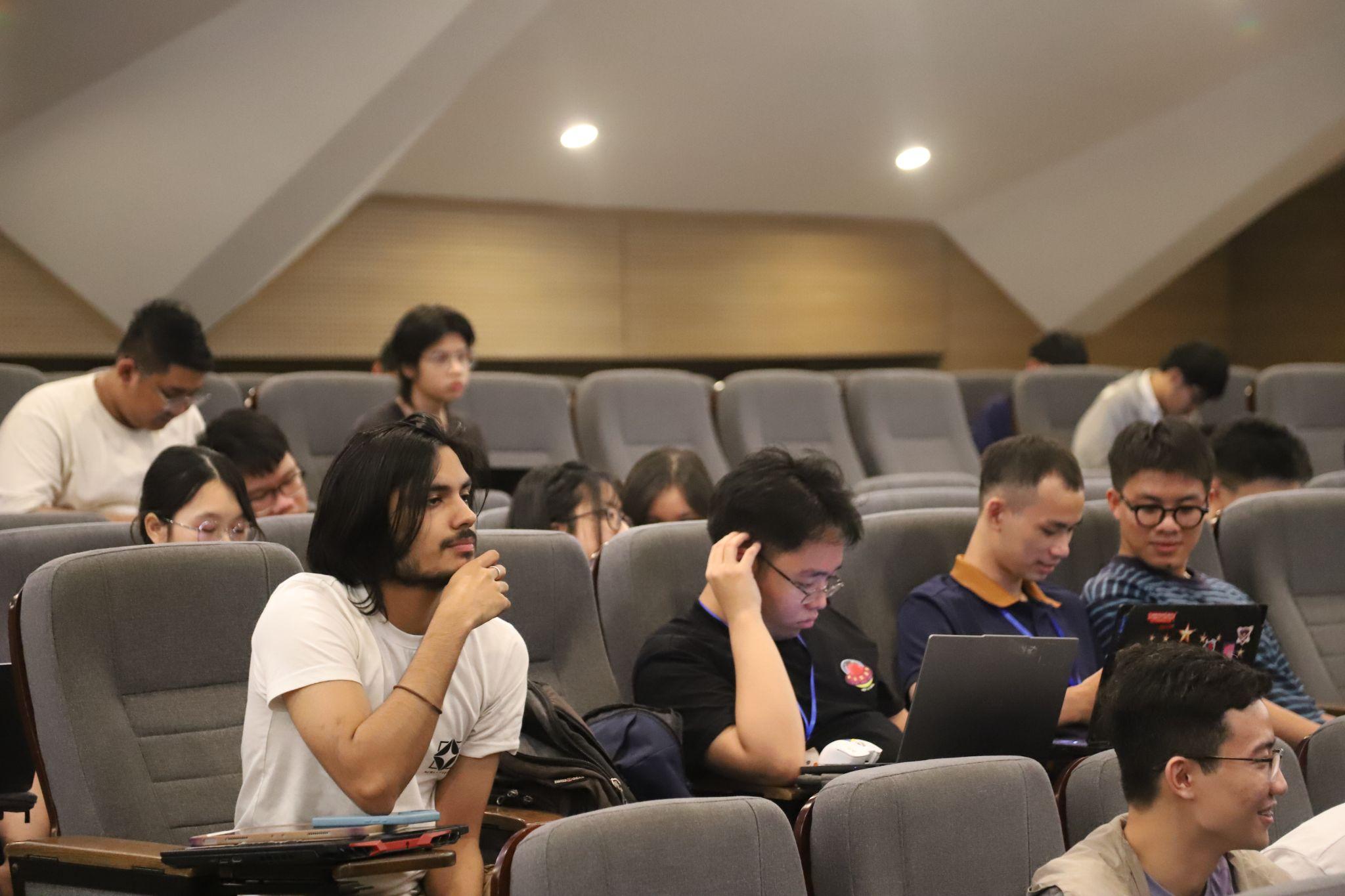

From August 22 to 28, 2026, the Vietnam Institute for Advanced Study in Mathematics (VIASM), in collaboration with the Institute of Cryptographic Science and Technology, organized the IACR–VIASM Summer School on Cryptography 2026 at VIASM. The Summer School focused on Quantum Cryptography, Post-Quantum Cryptography, and Advanced Cryptography. The event was held under the auspices of the International Association for Cryptologic Research (IACR), with support from the Advanced Cryptography Research Laboratory (ACR Lab) and Calif (USA).
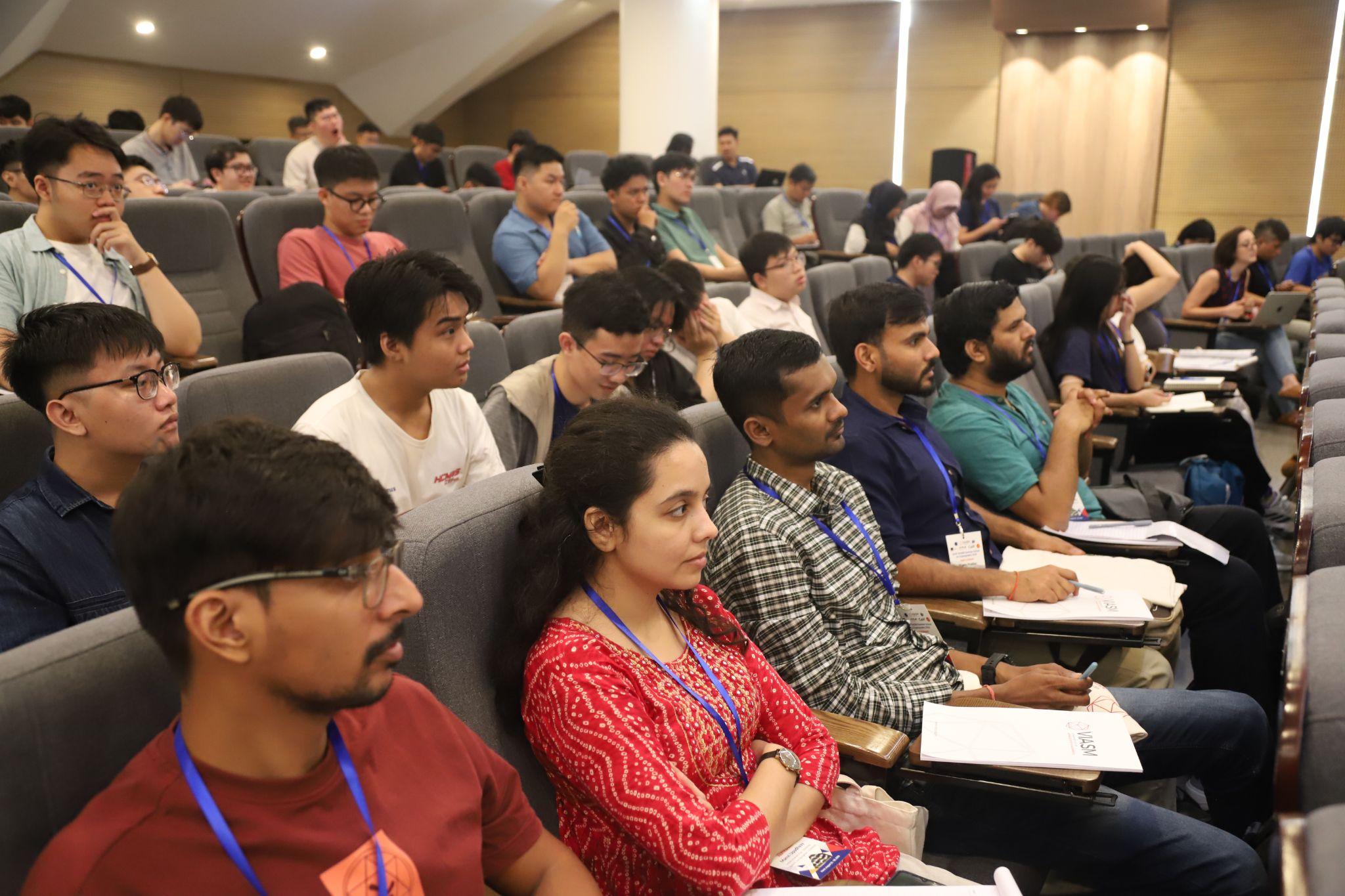
The Summer School aimed to promote cryptographic research in Vietnam and neighboring countries, while strengthening connections among the mathematics and computer science communities and the international cryptographic research network. The event brought together 150 students and researchers, including 120 participants from Vietnam and 30 international participants. The international participants came from universities and research institutions in eight countries: India, Indonesia, France, Malaysia, China, Uzbekistan, the Philippines, and Canada. The Summer School was primarily designed for senior undergraduate students, graduate students, PhD students, and early-career researchers, with all lectures delivered in English
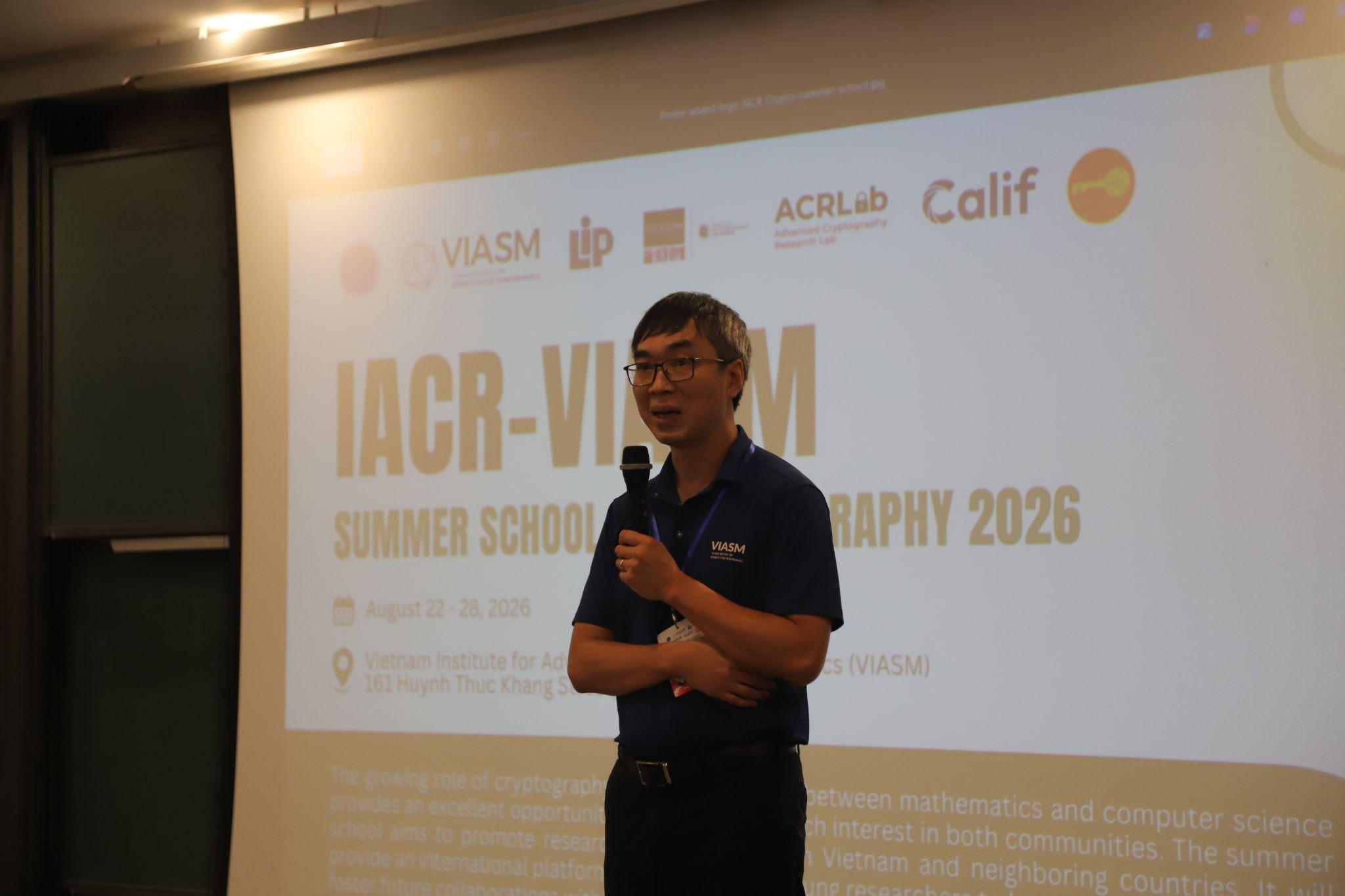 Assoc. Prof. Le Minh Ha, Managing Director of VIASM, delivering the welcome and opening remarks on behalf of the Organizing Committee.
The Opening Ceremony was held on the morning of August 22, 2026, at the Laurent Schwartz Hall, VIASM. The ceremony was attended by and featured welcome remarks from Assoc. Prof. Le Minh Ha, Executive Director of VIASM, representing the Organizing Committee; Major General Ho Van Huong, Deputy Head of the Government Cipher Committee; Prof. Phan Duong Hieu, Télécom Paris, Institut Polytechnique de Paris, France, Chair of the Program Committee; and Assoc. Prof. Nguyen Ngoc Ky, LIP6 (CNRS/Sorbonne Université), France, Co-Chair of the Organizing and Program Committee.
The participation of representatives from research institutions, specialized agencies, and international experts at the Opening Ceremony highlighted the interdisciplinary orientation of the Summer School. Cryptography has increasingly become an important intersection between mathematics and computer science, while also being closely connected to the protection of data, communications, and digital infrastructure in the context of the rapid development of quantum technologies. Accordingly, the Summer School not only provided participants with advanced knowledge but also created a platform for them to develop research questions, engage in discussions with experts, and establish long-term research collaborations.
Following the Opening Ceremony, Prof. Alex Bredariol Grilo (LIP6, CNRS/Sorbonne Université, France) delivered the first lecture, marking the beginning of a seven-day program of academic activities
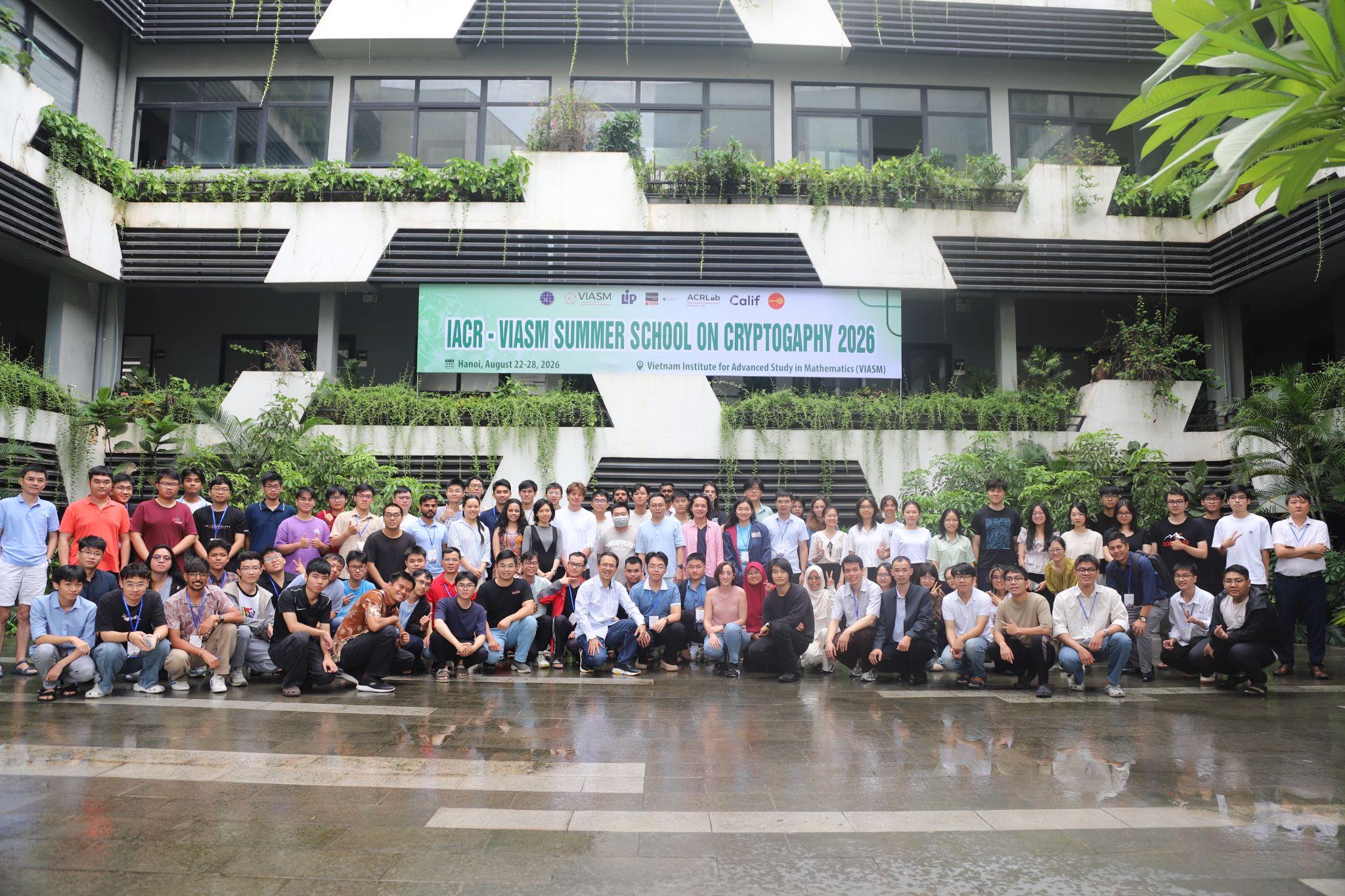
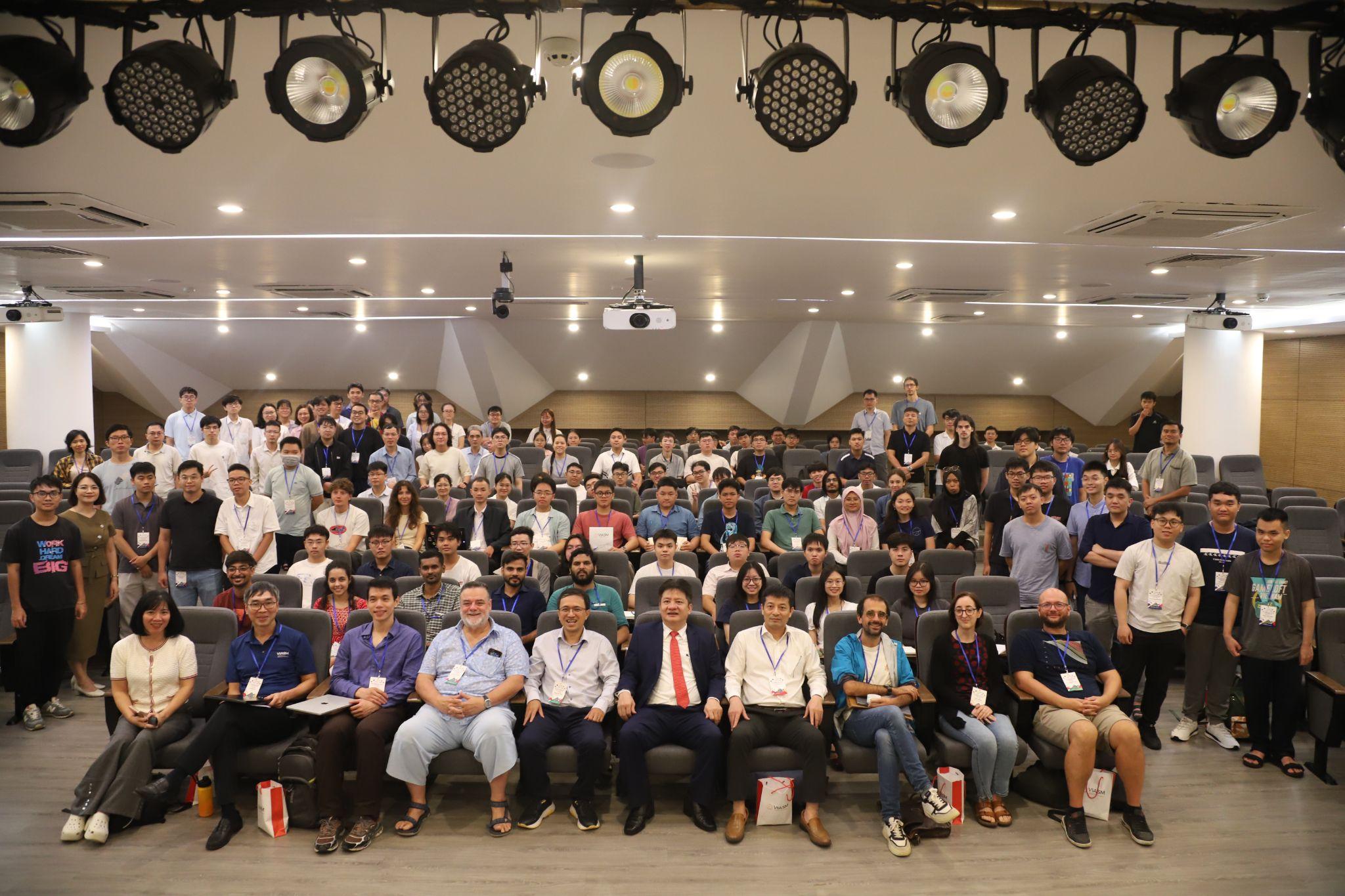 The Organizing Committee, lecturers, delegates, and participants taking a group photo following the Opening Ceremony
The Organizing Committee of the Summer School comprised Assoc. Prof. Le Minh Ha (VIASM); Prof. Phan Duong Hieu (Télécom Paris, Institut Polytechnique de Paris, France); Assoc. Prof. Nguyen Ngoc Ky (LIP6, CNRS/Sorbonne Université, France); Dr. Do Xuan Thanh (Institute of Cryptographic Science and Technology, Vietnam); and Prof. Khoa Nguyen (University of Wollongong, Australia).
The teaching team consisted of six experts affiliated with research institutions and universities in Canada, France, and South Korea: Ilaria Chilotti (DESILO, Seoul, South Korea); Claude Crépeau (École de technologie supérieure and McGill University, Canada); Thomas Debris-Alazard (École Polytechnique, Palaiseau, France); Alex Bredariol Grilo (LIP6, CNRS/Sorbonne Université, France); Nguyen Ngoc Ky (LIP6, CNRS/Sorbonne Université, France); and Phan Duong Hieu (Télécom Paris, Institut Polytechnique de Paris, France).
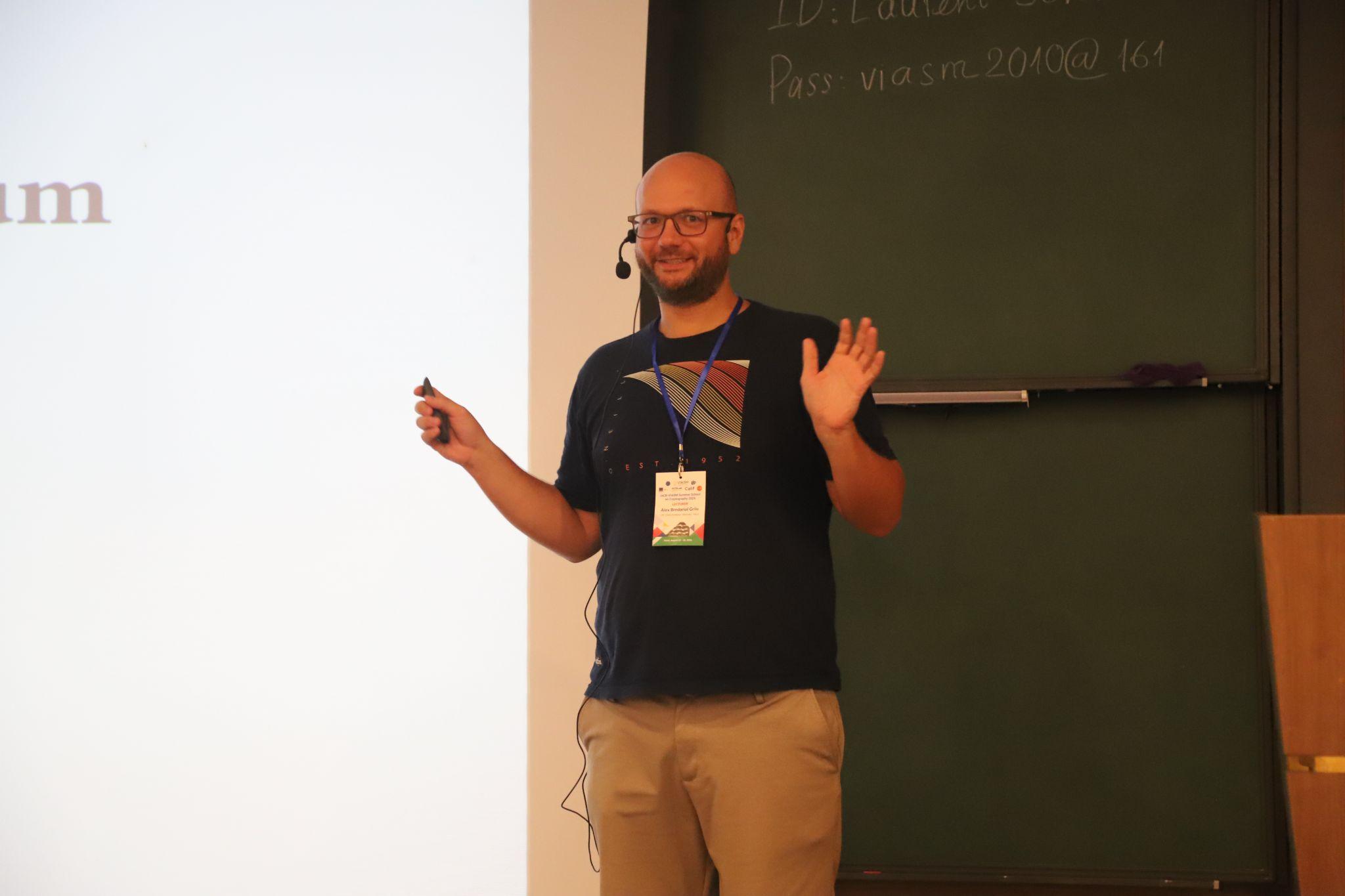 Prof. Alex Bredariol Grilo (CNRS, LIP6 – Sorbonne Université, France)
Prof. Alex Bredariol Grilo delivered the first lecture of the Summer School, beginning with an introduction to quantum computation, including qubits, quantum circuits, and quantum entanglement. This provided an introduction to the course “Cryptography in the Quantum World,” which he lectured together with Prof. Claude Crépeau throughout the week.
In the subsequent sessions, he explored quantum money in greater depth, focusing on publicly verifiable quantum money, from the Aaronson–Christiano scheme in the oracle model to techniques for “removing the oracle” through subspace-hiding obfuscation. Toward the end of the week, Alex lectured on verifying quantum computations and quantum pseudorandom states, along with related cryptographic tools.
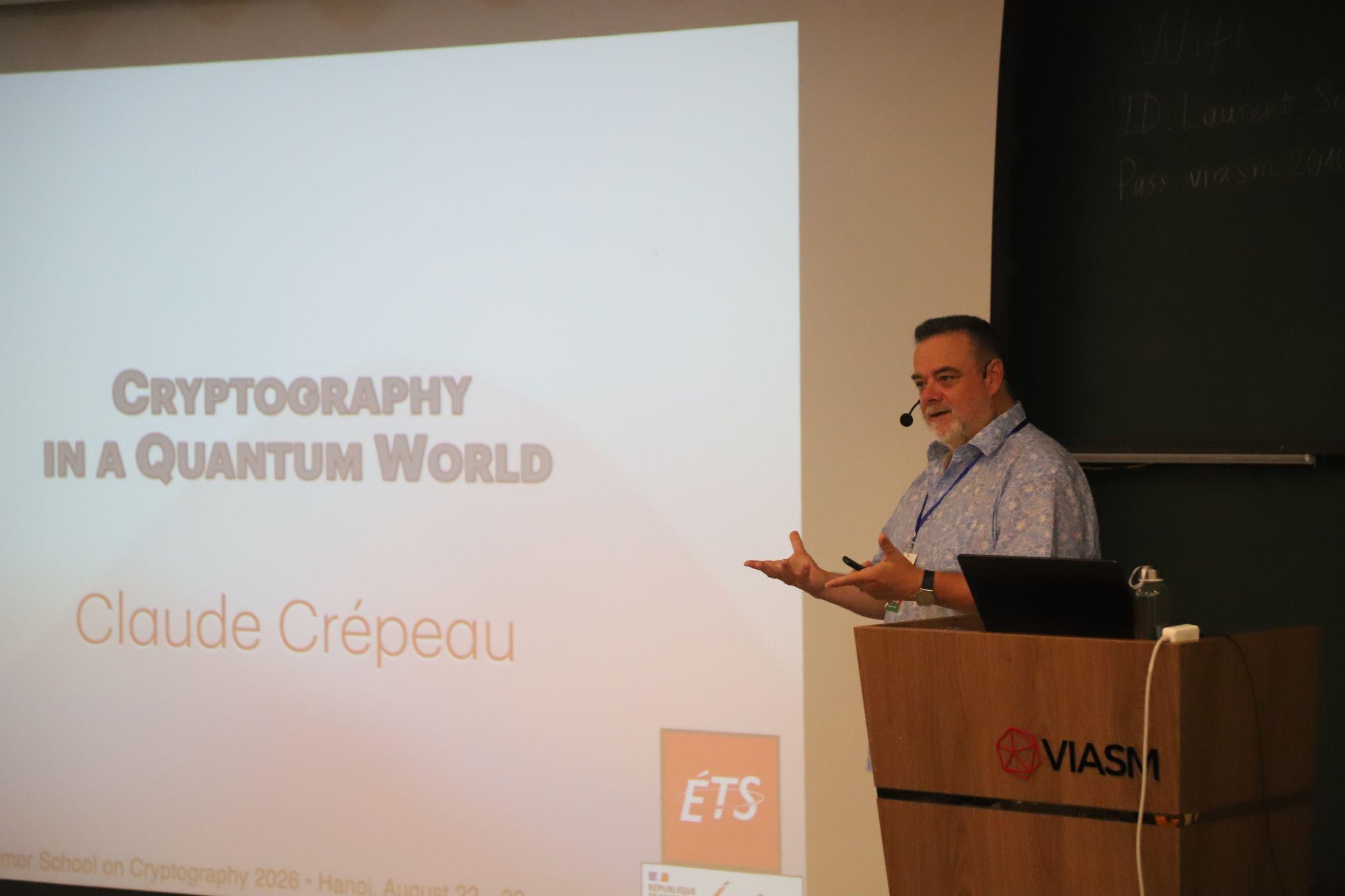 Prof. Claude Crépeau (McGill University & École de technologie supérieure, Canada)
Prof. Claude Crépeau delivered a series of lectures on cryptography in the quantum world. He is one of the pioneers who helped lay the foundations of the field, having co-authored the seminal work on quantum teleportation and the quantum oblivious transfer protocol based on BB84 encoding.
At the Summer School, he lectured on quantum key distribution (QKD), quantum money with private verification, and the authentication of quantum messages. At the end of their series of lectures, he and Prof. Alex Bredariol Grilo jointly delivered an overview session covering more advanced topics, including secure multiparty computation (MPC), zero-knowledge proofs (ZK), non-local games, and uncloneable functionalities.
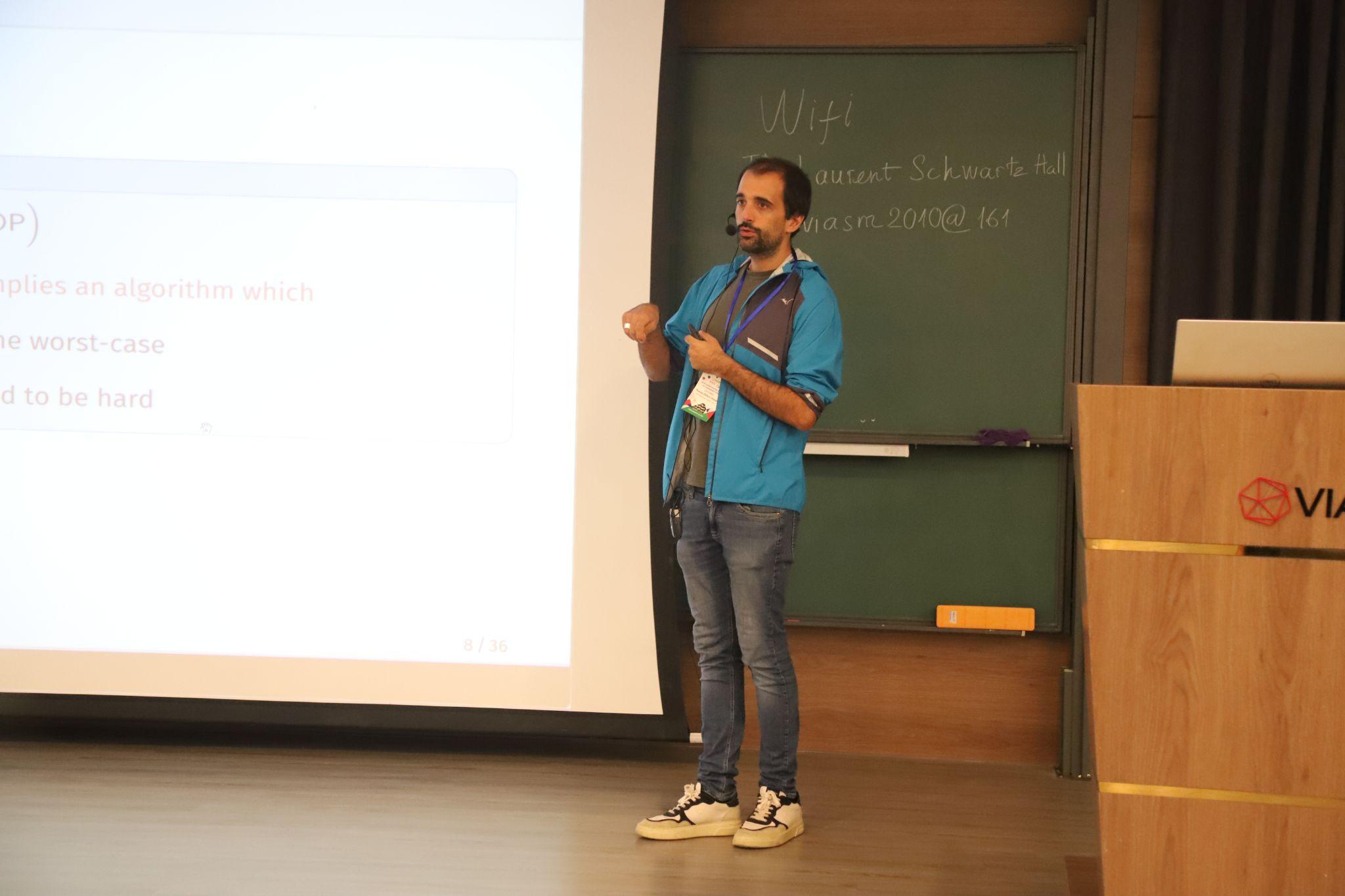 Prof. Thomas Debris-Alazard (Inria, École Polytechnique, Palaiseau, France)
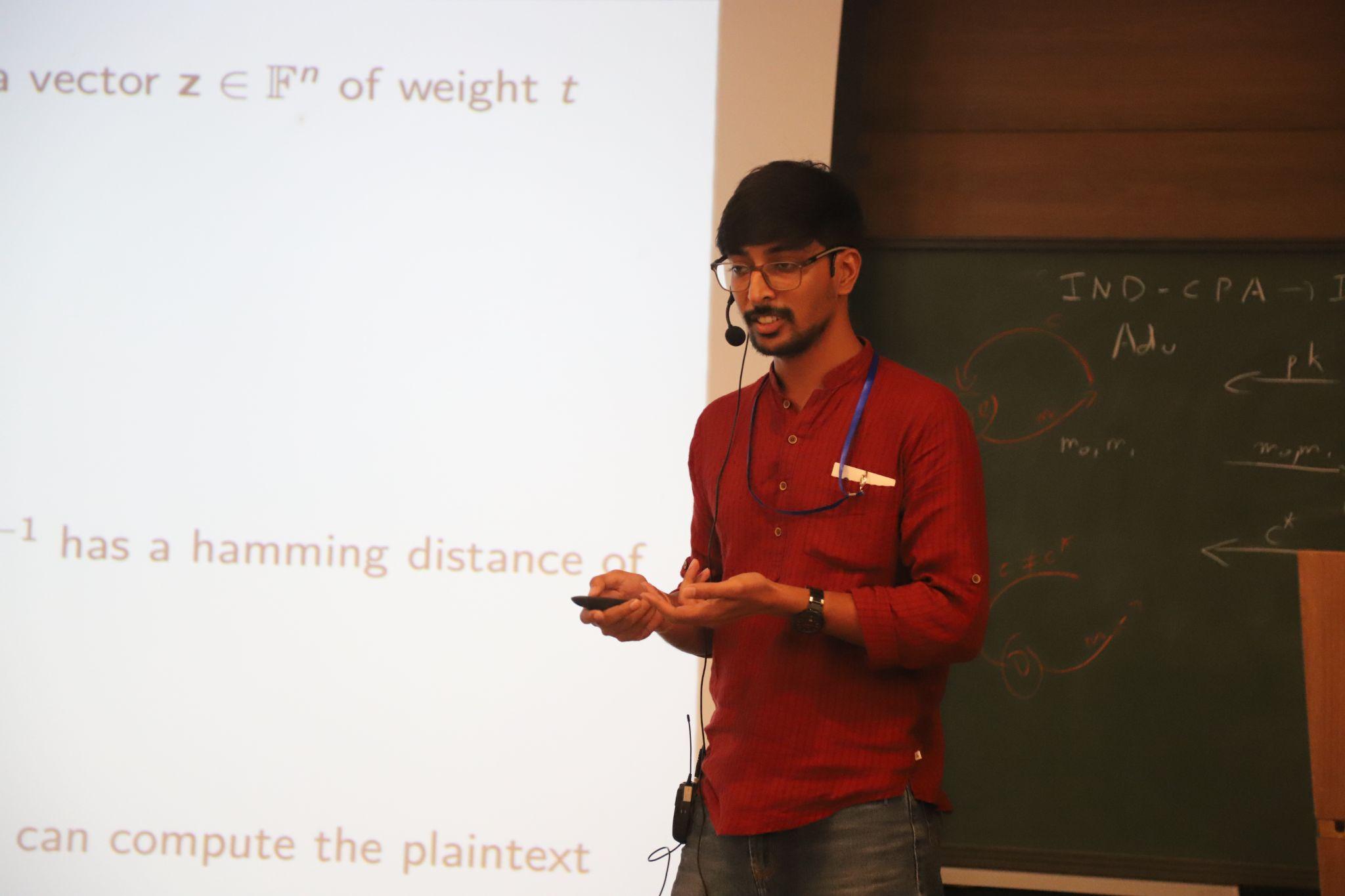
Prof. Thomas Debris-Alazard delivered a series of lectures on the mathematical aspects of post-quantum cryptography, focusing on two foundational families of problems: error-correcting codes and lattices.
The first lecture introduced the fundamentals of linear codes and proceeded to the average-case decoding problem, as well as the Alekhnovich encryption scheme, while highlighting the limitations of the worst-case complexity approach.
The second lecture developed a framework for worst-case-to-average-case reductions for decoding problems, using the smoothing parameter and Fourier analysis on the Hamming cube.
The final lecture presented a particularly elegant and relatively recent result: a quantum reduction from the Shortest Codeword Problem to decoding, providing the coding-theoretic counterpart to Regev’s celebrated reduction for lattices.
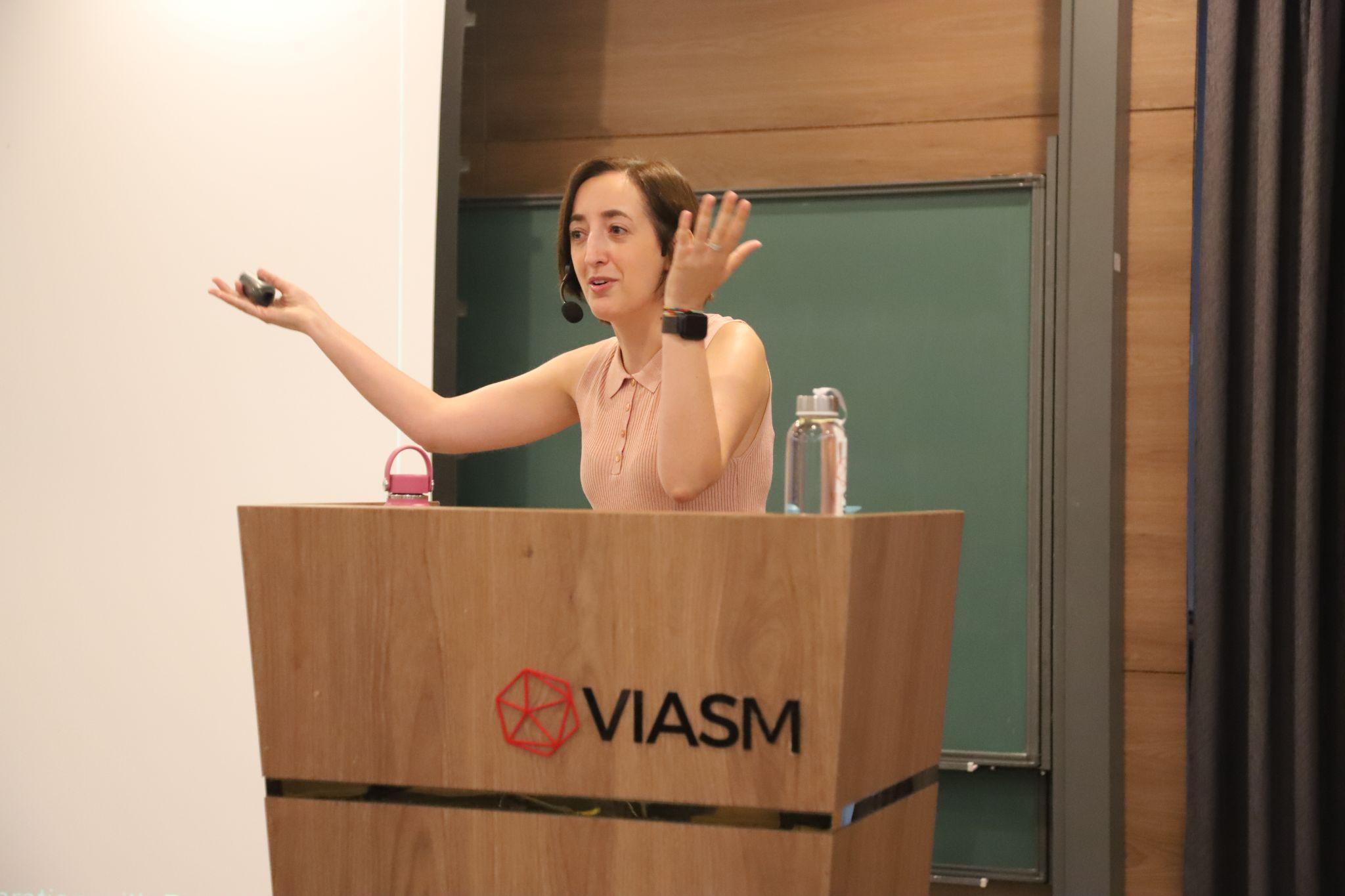 Prof. Ilaria Chillotti (DESILO, Seoul, South Korea)
Prof. Ilaria Chillotti delivered a series of lectures on Fully Homomorphic Encryption (FHE). Her return to Vietnam was particularly meaningful: exactly ten years earlier, at ASIACRYPT 2016 in Hanoi, her work on TFHE, co-authored with her collaborators, received the Best Paper Award. That work reduced bootstrapping time to below 0.1 seconds and opened up a research direction that continues to develop to this day.
Across two lectures totaling six hours, she guided participants from the original idea of Rivest, Adleman, and Dertouzos (1978) and Gentry’s breakthrough in 2009, through (R)LWE-based encryption and homomorphic operations, to two distinct bootstrapping philosophies represented by the CGGI/TFHE and CKKS families of schemes. The final part focused on practical applications and promising future directions, including neural network inference over encrypted data, accompanied by a demonstration using DESILO’s library and a lattice parameter estimator, as well as a discussion of the current limitations of FHE in terms of precision and performance.
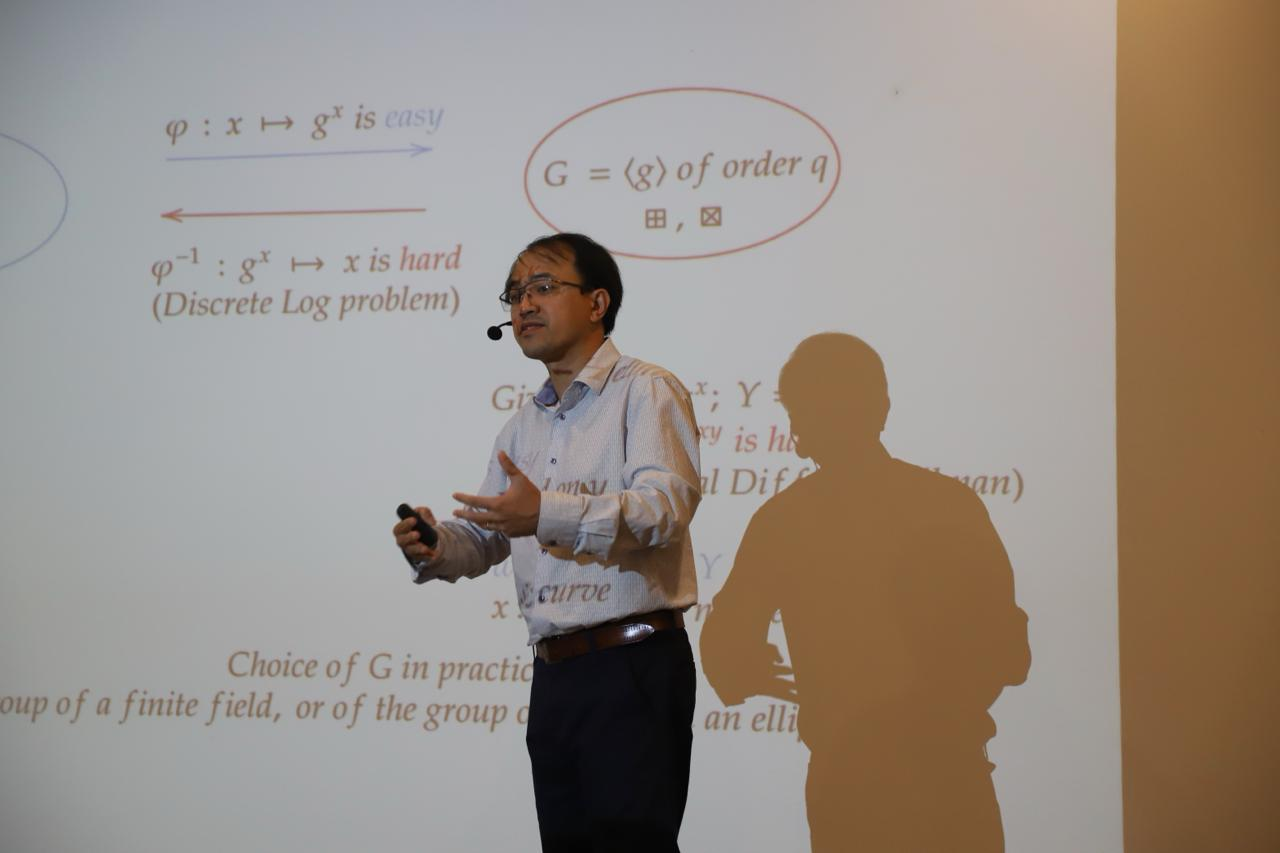 Prof. Phan Dương Hiệu (Télécom Paris, Institut Polytechnique de Paris, France)
Prof. Phan Duong Hieu gave lectures on the two-view principle and anamorphic cryptography.
The first part revisited how classical cryptographic constructions emerge from two pairs of views: the mathematical versus the computational view, the insider versus the outsider views on the system. This principle was illustrated with Diffie-Hellman key exchange, interactive and zero-knowledge proofs, signature, multi-receiver encryption and traitor tracing.
The second part addressed a scenario that goes beyond conventional settings of cryptography: what happens if a dictator can force recipients to surrender their secret keys, can force senders to send specific messages, can block any user deemed suspicious, can privacy still be achieved? Through the two-view principle, anamorphic cryptography, introduced by Persiano, Phan, and Yung (2022), offers a positive answer. Its key insight is that the very structure that makes a cryptographic scheme secure can also implicitly carry a covert channel, one that is fully undetectable and indistinguishable from ordinary communication.
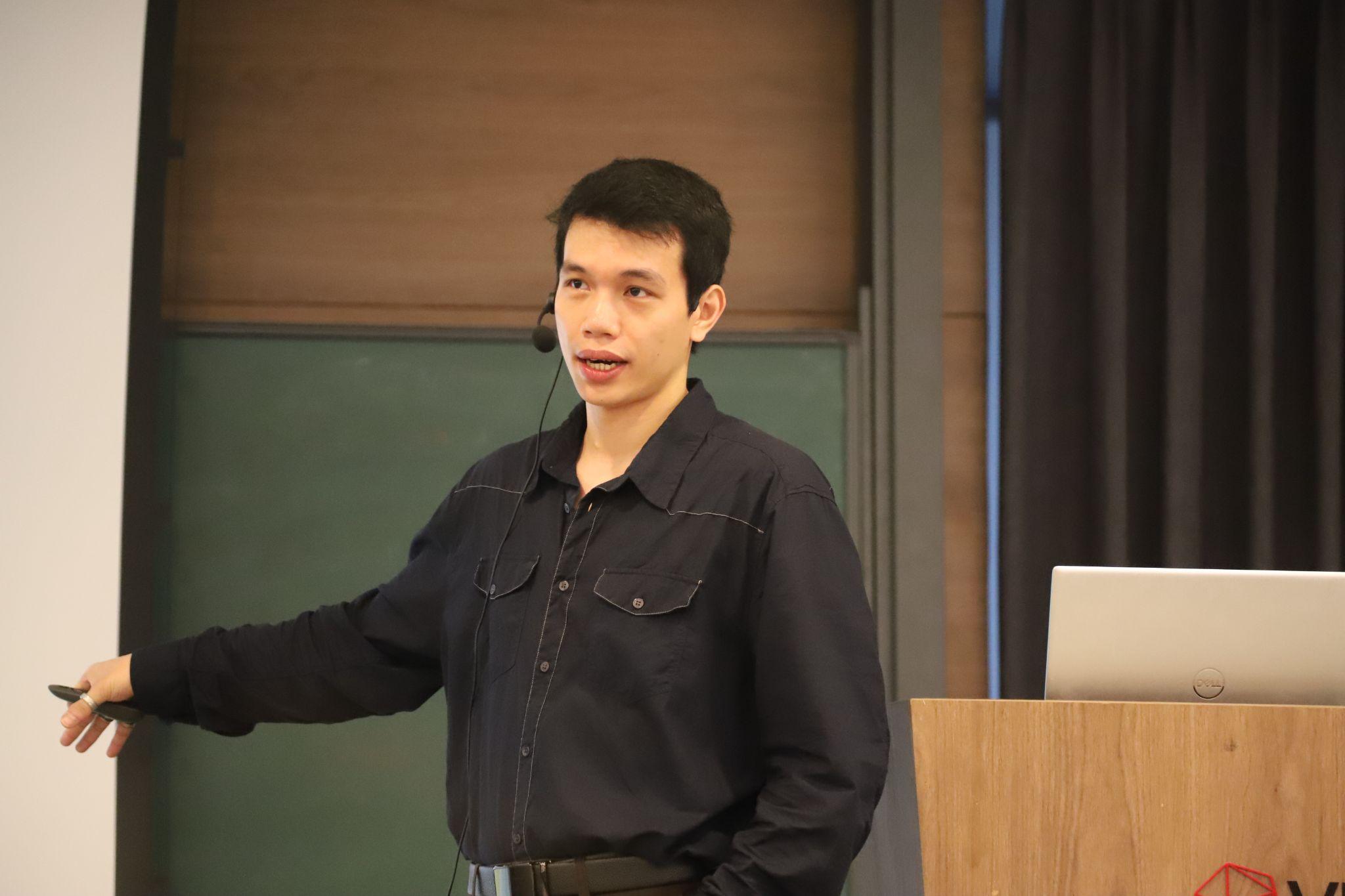 PGS. Nguyễn Ngọc Kỷ (Sorbonne Université, CNRS, LIP6)
Assoc. Prof. Nguyen Ngoc Ky delivered lectures on Functional Encryption (FE), a model that goes beyond the traditional “all-or-nothing” framework of public-key encryption.
The lectures focused on the class of inner-product functions, beginning with the public-key IPFE scheme of Abdalla, Bourse, De Caro, and Pointcheval (PKC 2015), then moving to the Multi-Client Functional Encryption setting and the scheme of Chotard, Dufour Sans, Gay, Phan, and Pointcheval (ASIACRYPT 2018), before proceeding to its decentralized variant (DMCFE). Throughout the lectures, FE was presented from the perspective of a cryptographic tool that enables controlled information leakage.
In addition to the lectures, the Summer School devoted half a day to seven short research presentations. This activity provided participants with an opportunity to present their ongoing research, receive direct feedback from lecturers and peers, and discuss open problems that could potentially develop into future research collaborations.
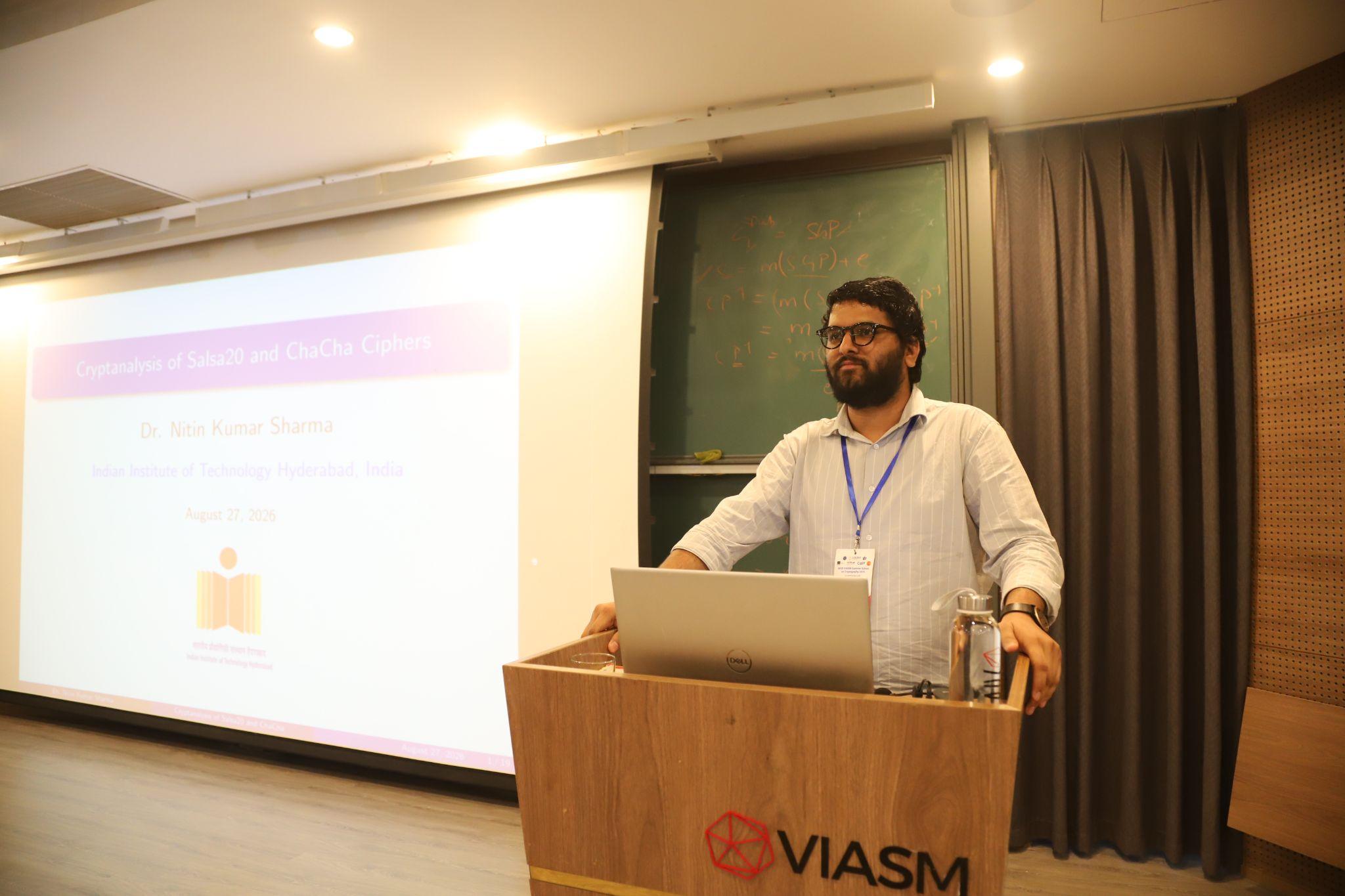
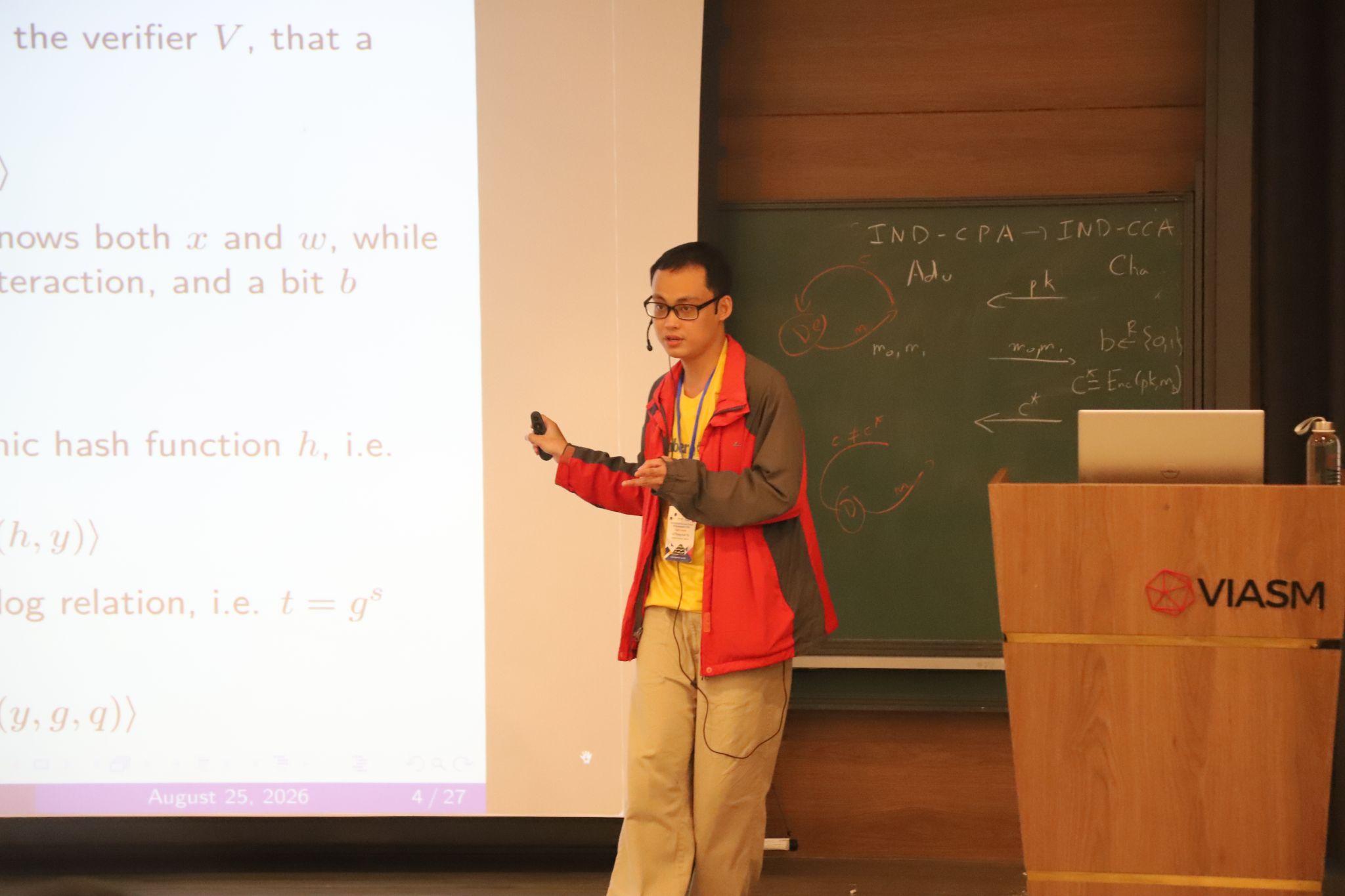
The IACR–VIASM Summer School on Cryptography 2026 continued a series of international cryptography activities previously held in Vietnam, including VietCrypt 2006, IACR ASIACRYPT 2016, the IACR-SEAMS School 2016, the IACR–VIASM Summer School 2022, and ACM ASIACCS 2025, which featured the satellite Young Cryptographers Forum. The IACR-SEAMS School in 2016 attracted 71 participants from 17 countries, while the IACR–VIASM Summer School in 2022 brought together 76 participants from 10 countries. These figures demonstrate a sustained demand for advanced training programs and highlight Vietnam’s increasingly prominent role as an academic hub connecting researchers across the region.
Through the regular organization of specialized summer schools, VIASM and its partners aim to foster a strong and in-depth cryptographic research community in Vietnam and Southeast Asia. By combining foundational lectures, contemporary research topics, participant presentations, and direct interaction with international experts, the program is expected to help the next generation of researchers engage with international research standards, develop independent research capabilities, and expand their networks for future collaboration.
VIASM gratefully acknowledges the support and collaboration of the co-organizing institutions, sponsors, lecturers, researchers, and participants from Vietnam and abroad. The active engagement of all stakeholders has provided an essential foundation for the IACR–VIASM Summer School on Cryptography 2026 to achieve its objectives of training, academic networking, and fostering long-term research collaboration.